
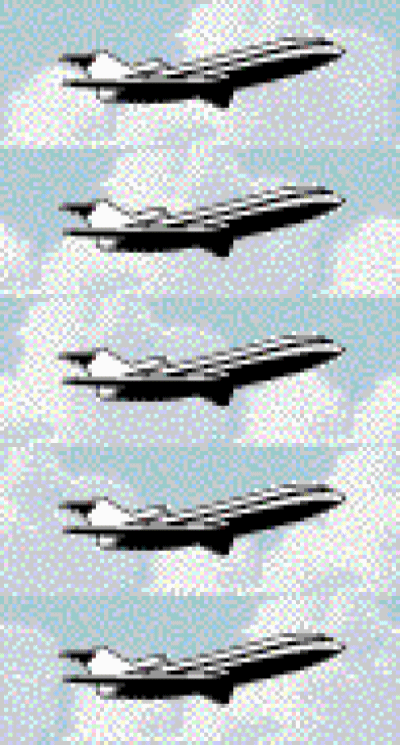
Developed in 1987 by Steve Wilhite, the GIF format was the solution for stocking multiple images in one file. Large compressed images could be downloaded reasonably quickly with slow Internet connections of the 90s and so the very first GIF uploaded on the web is this airliner flying in front of pixelated clouds.
Enter the infinite loop of animated gifs.
Birth and death of the gif
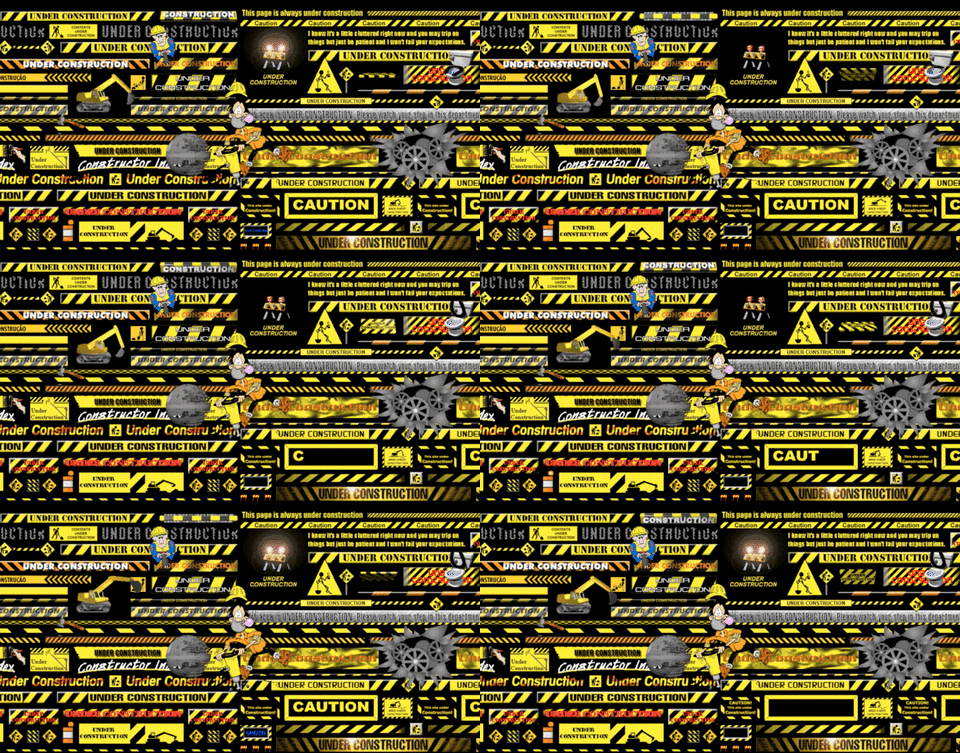
When he created the GIF format in the offices of the firm CompuServe, Steve Wilhite aimed at allowing the downloading of color images with lossless compression code. At the time, this new format was incredible and these flashing and colorful images invaded the nascent websites as a sign of futuristic modernity. The most popular gifs were flames, American flags and the under construction gif.
The release of the Netscape browser in 1994 which automatically animated the file brought a spike in popularity. However, the technology was patented and royalties were claimed to those using it. The popularity declined until 2004 when the gif went into public domain for good.
Tumblr and Gif Renaissance
With web 2.0 people realized they could use gif for many more things, and there were more platforms to upload them. An explosion of creativity started. For a while gif animations were used solely as animations on websites but with Tumblr it soon became a new form of expression and a representation of identity.

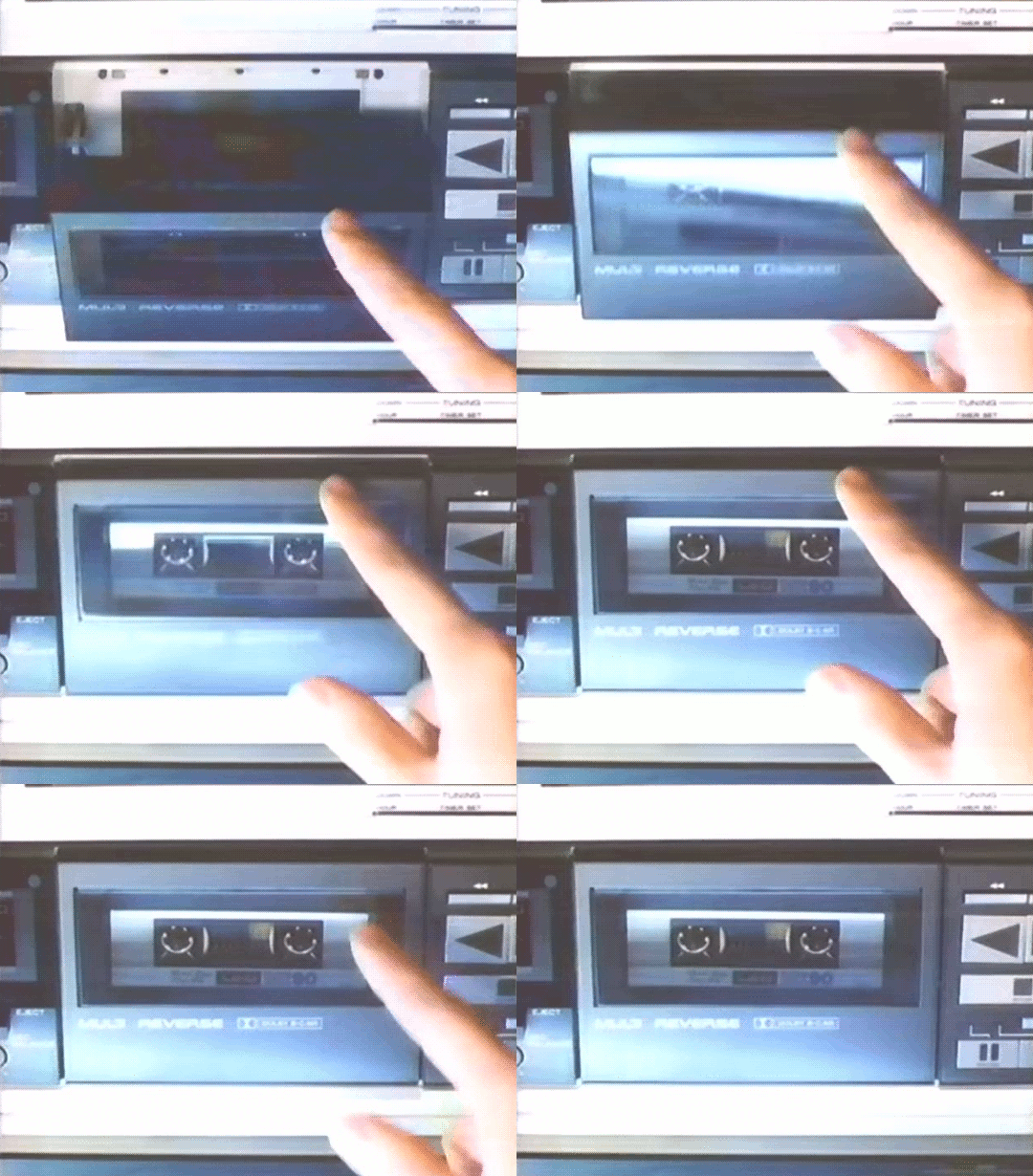

Tumblr was enabling users to upload gifs in sets. It also easily embed gifs into posts and people started to use gifs to tell more complex stories, which played a significant part in building the gif reaction culture that then spread to twitter and other SNS.
The unique feature of Tumblr asks and reblogs brought in a different social media experience. Tumblr was also a safe space to discuss political movements, quirks, niche conspiracy theories, or mental health issues. Tumblr truly developed a culture known for its long-lasting, famous posts and never ending gif reactions.
The gif aesthetic of time and loops
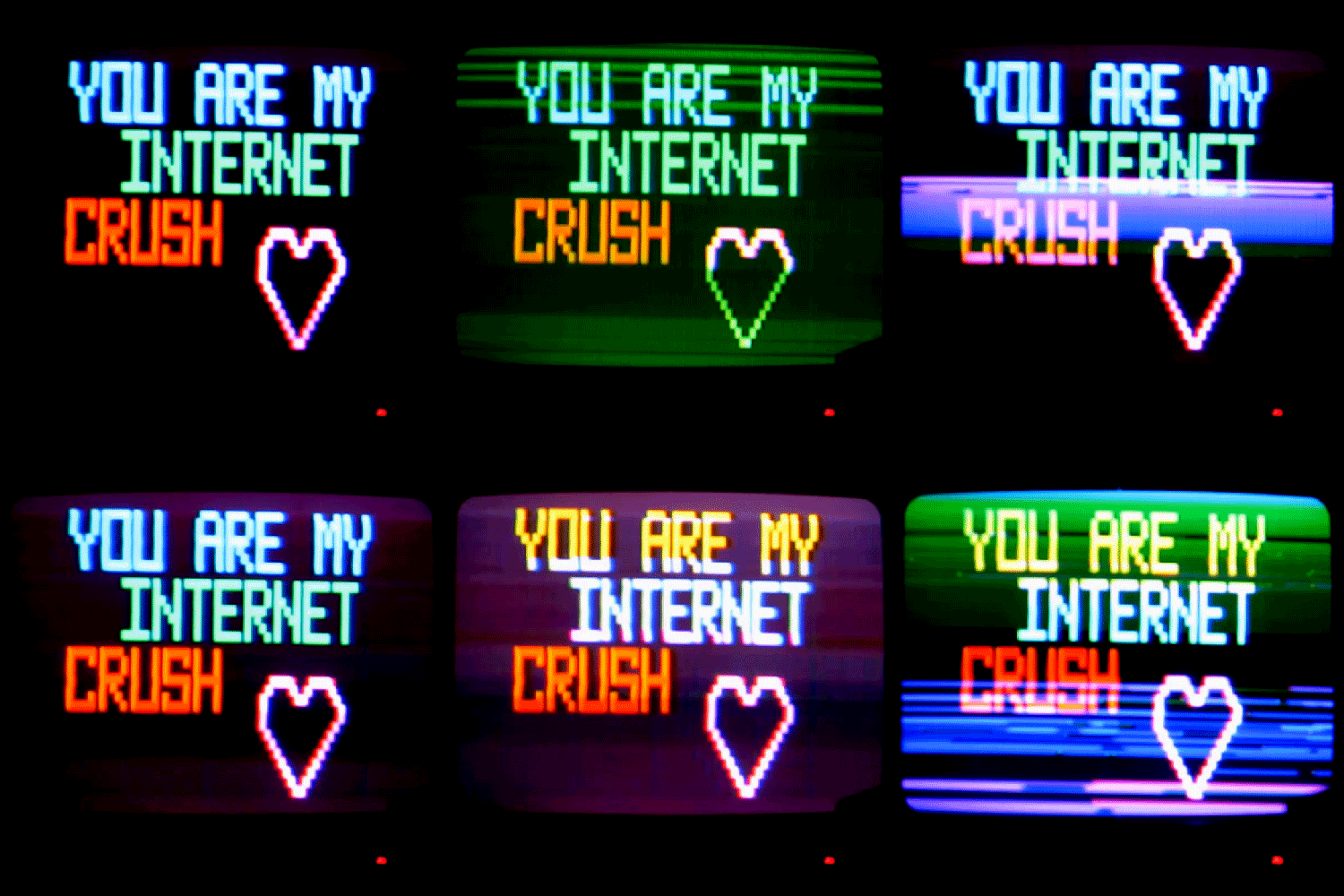

Gif offers a unique relationship to time, memory, repetition and loop. It is full of symbols : the revolution of the planet, the eternal beginning of things and history, memory on repeat. The endless movement also brings up soft melancholy, just like the cursed obsession of something constantly repeated with no reason. A loop that tirelessly repeats itself and leaves humans powerless in face of time passing by.
Only one gif has not ended yet : it lasts 1000 years from the moment it is launched and is made up of 48000000 images that will make the first loop in 3017.
It’s called as long as possible

 art of internet